NEWART centre – Centro de arte digital y tecnológico en Reus

SCHOOL VISITS TO THE NEWART CENTRE

Guided school visit to our centre

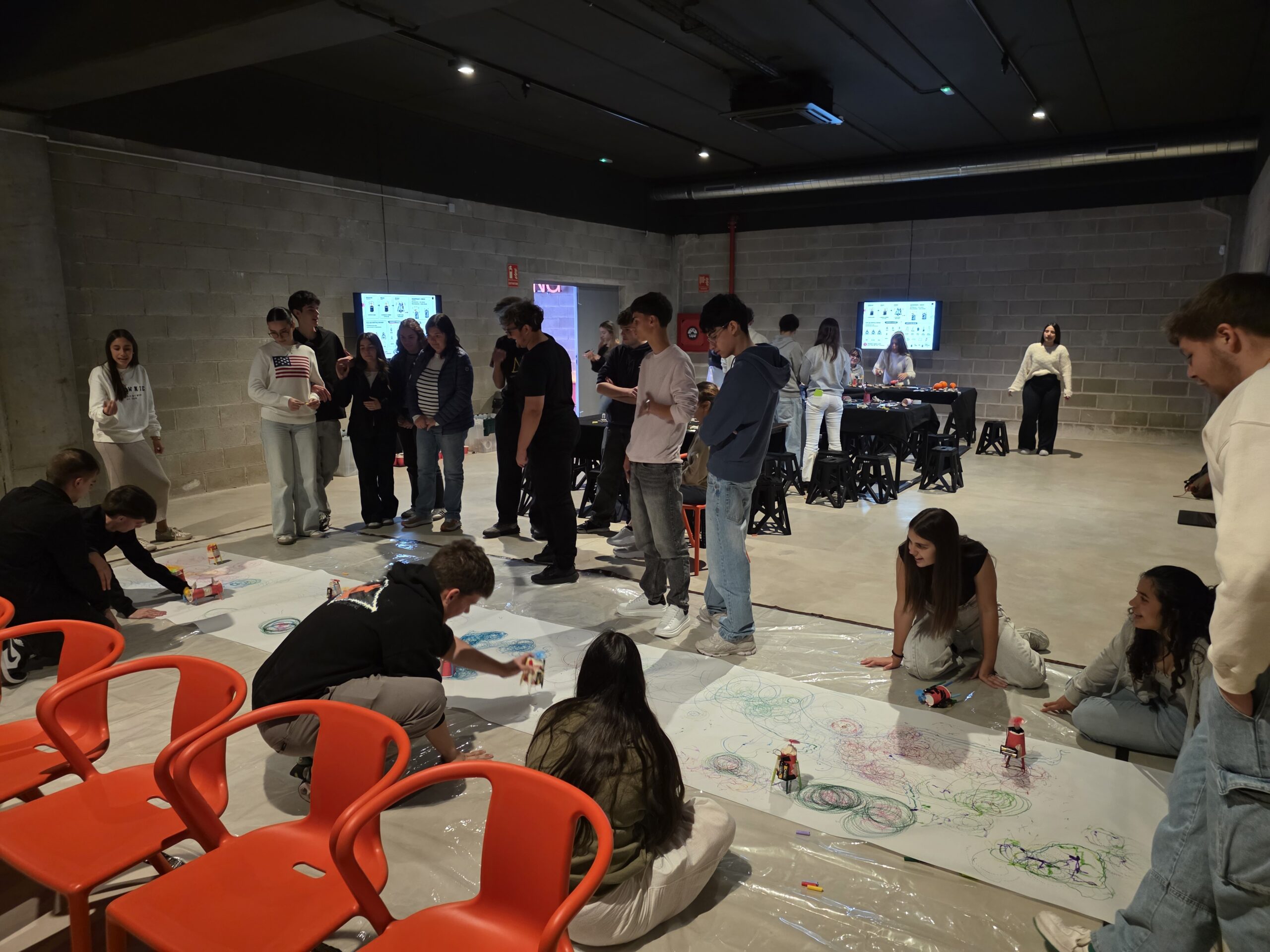
The visit is not only a cultural activity, but also an educational tool to explore the contemporary world from a STEAM, creative and reflective perspective.

The guided visit to the NEWART centre creates a competency-based learning experience that puts students in direct contact with contemporary artistic languages (light, sound, installation, interaction), technological processes (algorithms, artificial intelligence, data, sensors and digital systems) and inquiry-based methodologies grounded in observation, hypothesis formulation, interpretation and communication.

This proposal fits particularly well with the current curriculum in Catalonia, as it activates specific competences linked to artistic education, visual and audiovisual culture, music, mathematics, environmental studies, physics, technology and digital competence.

Elementary School Visit

Digital Explorers

  • Students aged 6-12
  • · Duration: 60 minutes
  • · Schedule: Tuesday to Friday, 9:00 am – 2:00 pm
  • · Type: Guided tour
  • · Capacity: Maximum 30 students
  • · Price: €125 per group

Secondary School Visit

Art and Technology Lab

  • Students aged 12–16
  • · Duration: 60 minutes
  • · Schedule: Tuesday to Friday, 9:00 am – 2:00 pm
  • · Type: Guided tour
  • · Capacity: Maximum 30 students
  • · Price: €140 per group

High School Visit

Art, technology and new thinking

  • Post 16 students
  • · Duration: 60 minutes
  • · Schedule: Tuesday to Friday, 9:00 am – 2:00 pm
  • · Type: Guided tour
  • · Capacity: Maximum 30 students
  • · Price guided visit: €150 per group

Elementary School Visit

Can a machine be an artist?
Digital Explorers
  • Students aged 6-12
  • Duration: 60 minutes
  • Schedule: Tuesday to Friday, 9:00 am – 2:00 pm
  • Type: Guided tour (themed and adapted)
  • Capacity: Maximum 30 students
  • Price: €125 per group

What do they gain from the experience?

  • Scientific and artistic curiosity
  • Creativity and critical thinking
  • Awareness of technology and sustainability
  • Expression of emotions, ideas and interpretations

For 60 minutes, students stop being spectators and become the protagonists of an immersive journey inside an interactive museum.

They explore a space where artworks react, transform and respond to their actions. This experience sparks curiosity, activates critical thinking and fosters meaningful learning.

What do children experience during the visit?

The visit begins with a question: “Can a machine be an artist?”. From there, students venture into an environment where light, sound and image behave differently from everyday reality.

As they move through different artistic installations…

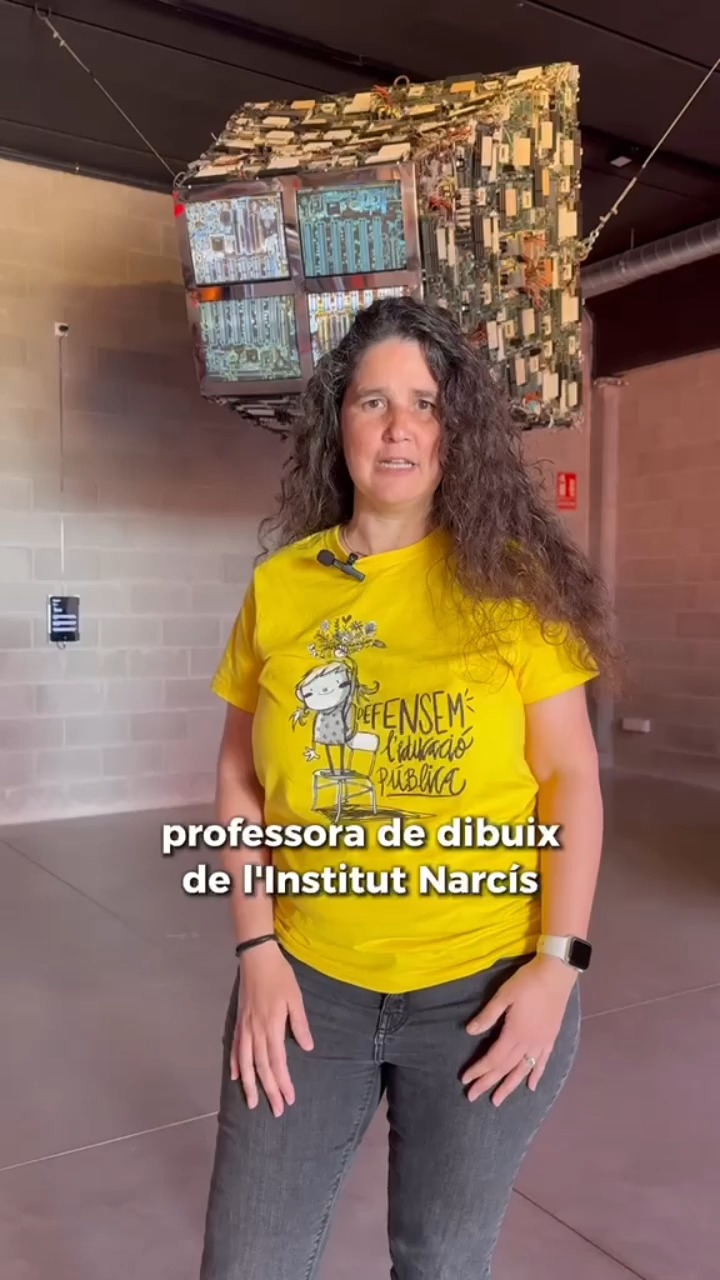
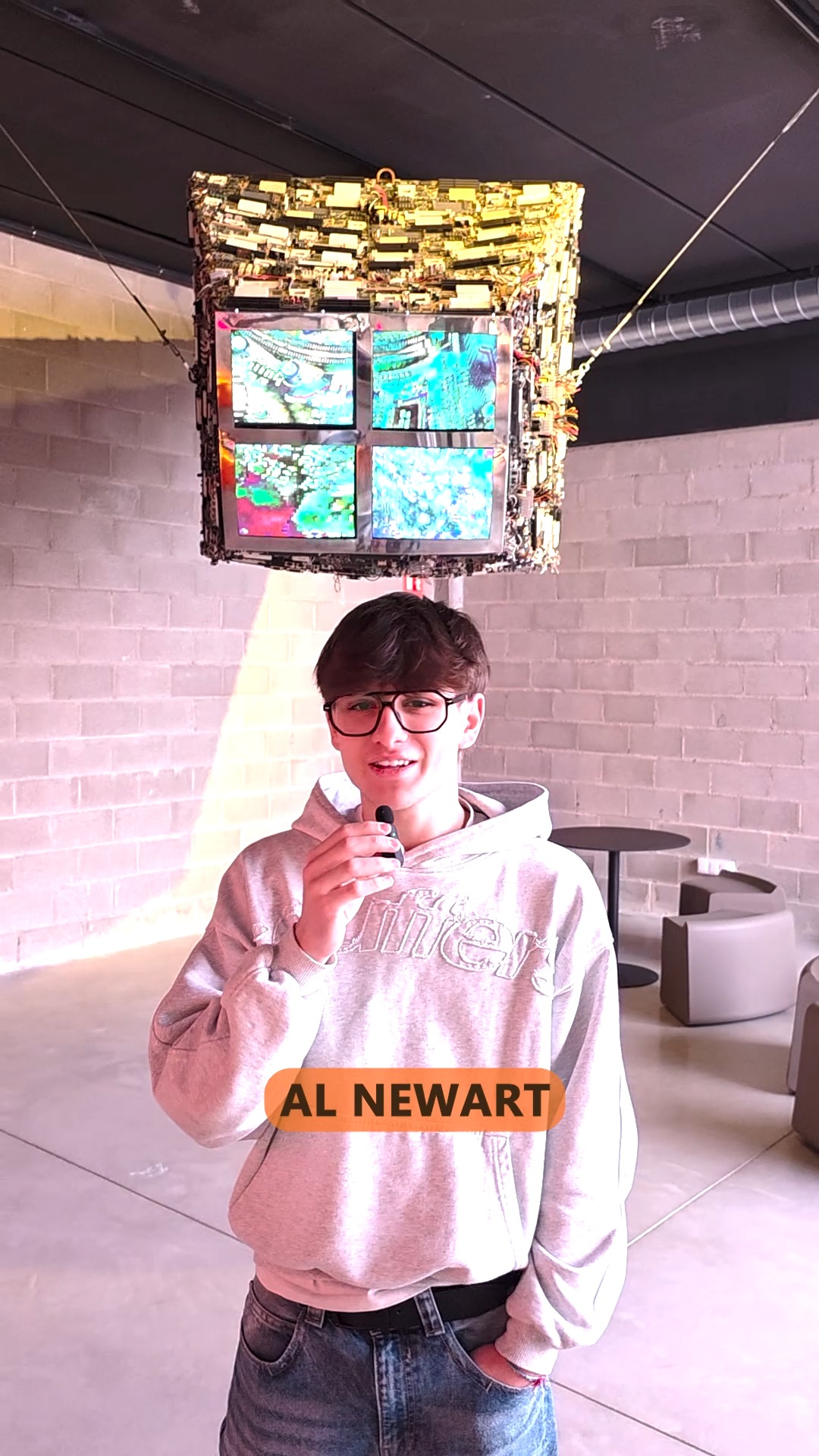
They discover a city built from recycled computer parts, inviting reflection on sustainability and material transformation.

They experience how colours turn into sound, creating connections between visual and auditory perception.

They explore sensations of movement and space without physically moving, understanding how technology can alter perception.

They actively participate in installations that respond to their movement, turning them into direct agents of artistic creation.

They pass through digital landscapes that evolve with their actions, encouraging curiosity and questioning of the world around them.

Secondary School Visit

Who is really the artist?
Art and technology lab
  • Students aged 12-16
  • Duration: 60 minutes
  • Schedule: Tuesday to Friday, 9:00 am – 2:00 pm
  • Type: Guided tour (themed and adapted)
  • Capacity: Maximum 30 students
  • Price: €140 per group

Key questions explored during the visit:

· Can we trust what we see?

· Who really creates: the person, the machine or the system?

· Where does art end and technology begin?

· What happens when the viewer also becomes the creator?

· How does technology shape the way we represent ourselves?

· What should we consider to use AI responsibly?

Students enter an environment where the boundaries between art, science and technology disappear. Digital art becomes a tool to understand technological systems, human perception and digital society. The visit also includes access to the storage area and the technical aspects of the installation.
Development of the visit
Sustainability and digital society They discover a city created from computer waste and reflect on consumption and sustainability. Coding and multimodal languages Transformation of image and sound to understand patterns and systems of representation. Perception and reality Installations that question the senses and how the brain works. Algorithms and computational thinking Generative works that connect with programming and AI. Interactive spaces Environments that respond to movement and introduce concepts from video games and virtual reality. Digital identity Reflection on privacy, representation and the construction of the self.

High School

Creating in the age of algorithms?
Art, technology and new thinking
  • Post 16 students
  • Duration: 60 minutes
  • Schedule: Tuesday to Friday, 9:00 am – 2:00 pm
  • Type: Guided tour (themed and adapted)
  • Capacity: Maximum 30 students
  • Price: €150 per group

Key questions explored during the visit:

· Can creativity exist without direct human intention?

· What is an artwork when it is constantly changing?

· How do digital systems shape our view of the world?

· Is technology a tool, a language or a creative agent?

· What social and ethical implications do data and digital identity have?

A visit to analyse the present and imagine the future. The guided visit to the NEWART centre offers upper secondary students a critical and contemporary approach to the relationship between art, science, technology and society. From this perspective, the visit invites students to analyse works that no longer understand art as a static object, but as a living, evolving process often shared between artist, system and audience.
This journey explores key contemporary questions:
  • Authorship in the digital age.
  • The relationship between programming and creativity.
  • The representation of data.
  • The construction of identity in technological environments.
  • The boundaries between physical and virtual reality.
  • Digital ethics, privacy and technological mediation.
The visit also reveals what happens behind the artworks, including the storage area and the technical aspects of installation, conservation and activation of digital and interactive pieces.
Enjoy an experience you will remember for a lifetime!
Limited places for schools. STEAM experience.

Reserva la teva visita escolar