EXHIBITION
Hello World!
An exhibition at NEWART Centre
Curated by NEWART Foundation
Exhibition dates
Opened 2 October 2025 — 4 October 2026
An exhibition dedicated to contemporary art, new technologies and digital languages, exploring the relationship between creativity, society and innovation through immersive experiences and audiovisual installations.
Hello World!
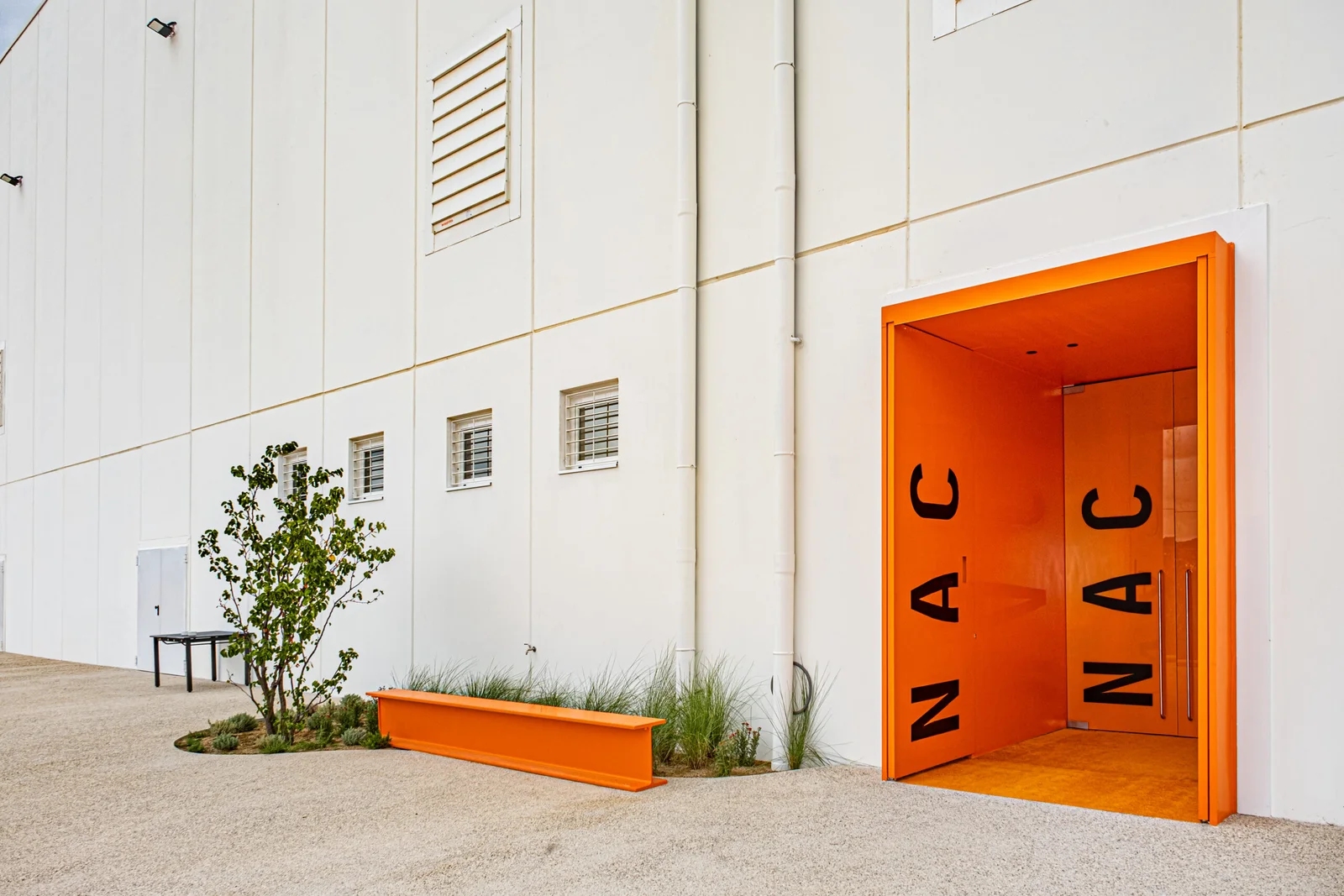
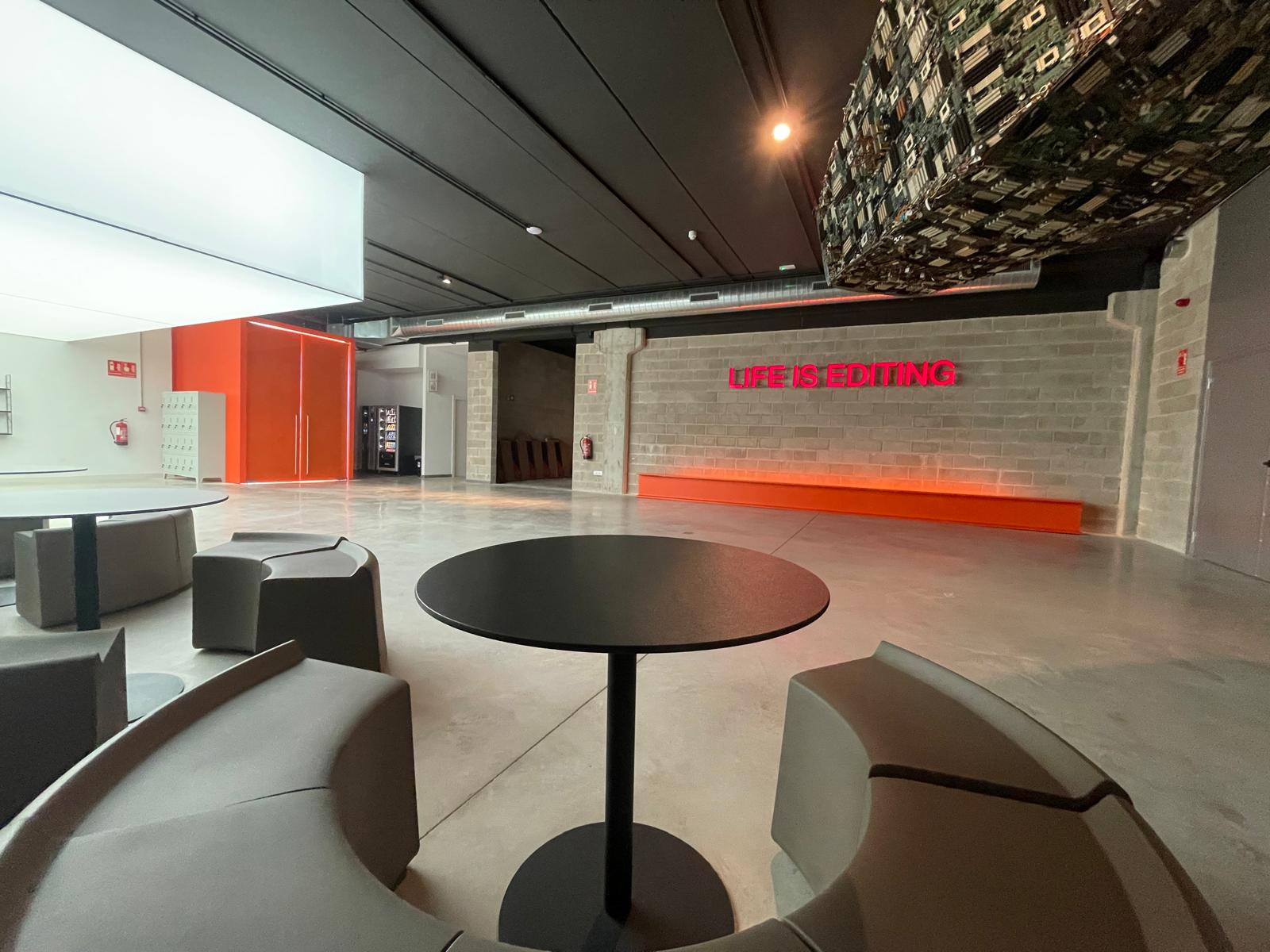
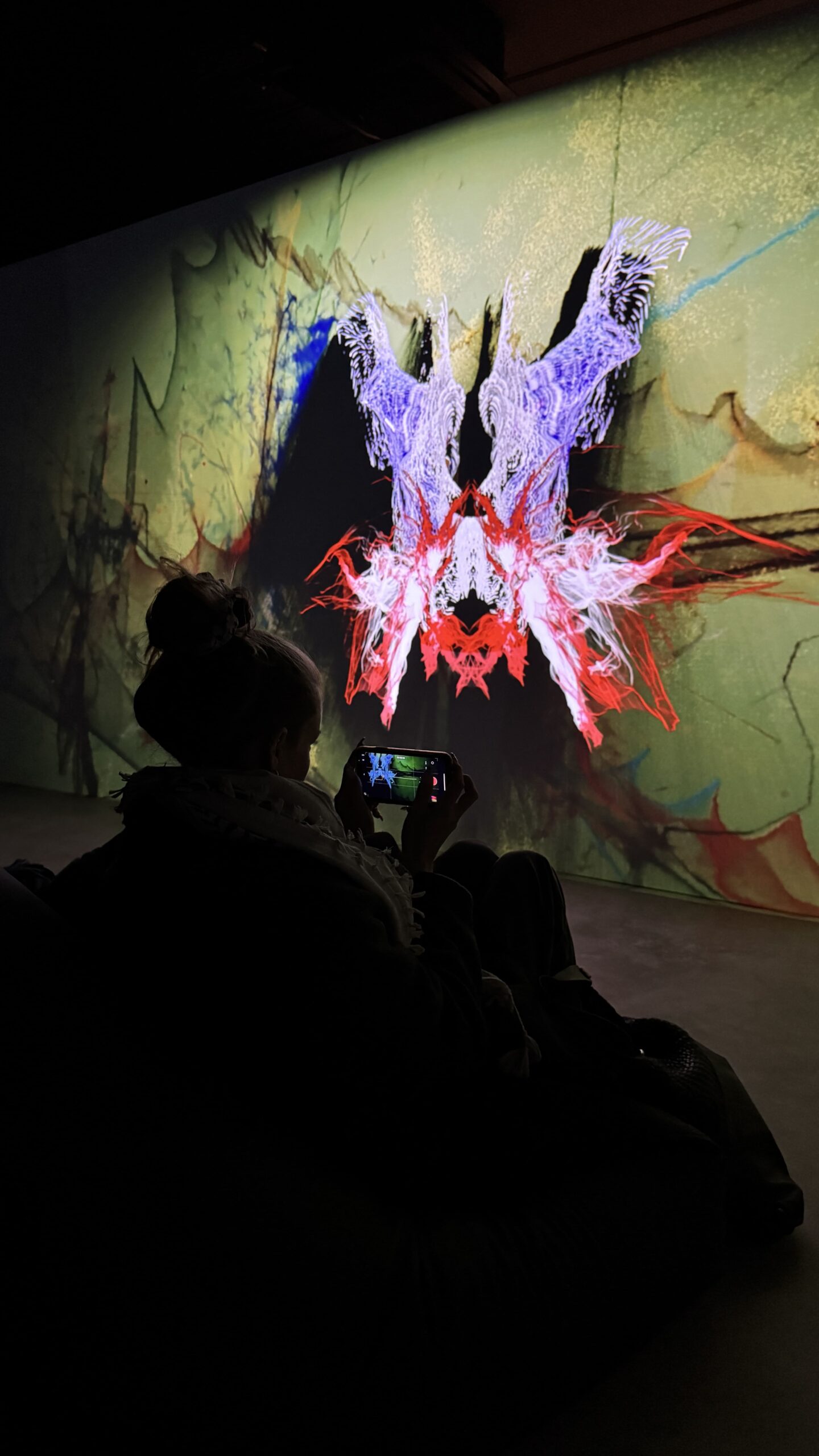
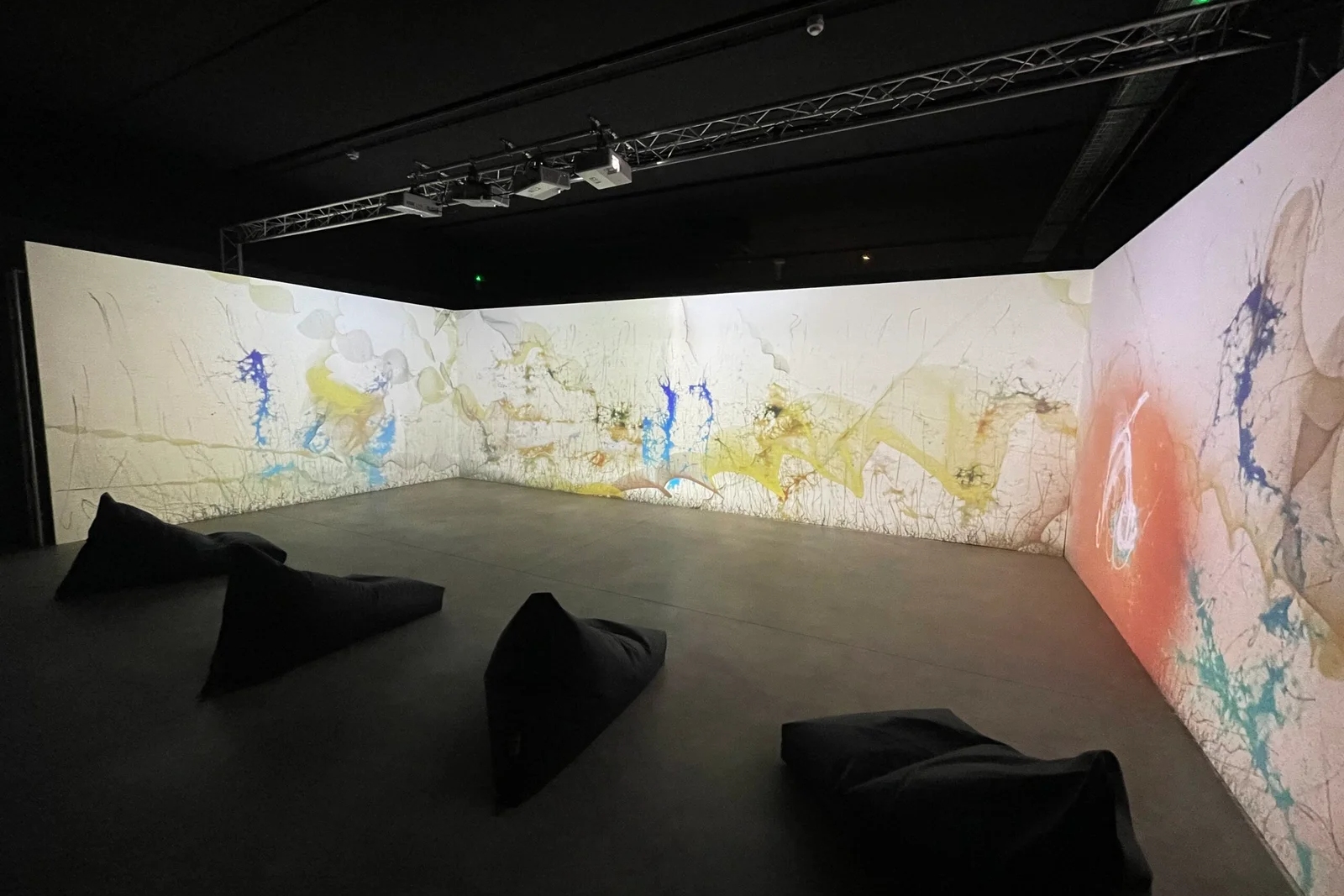
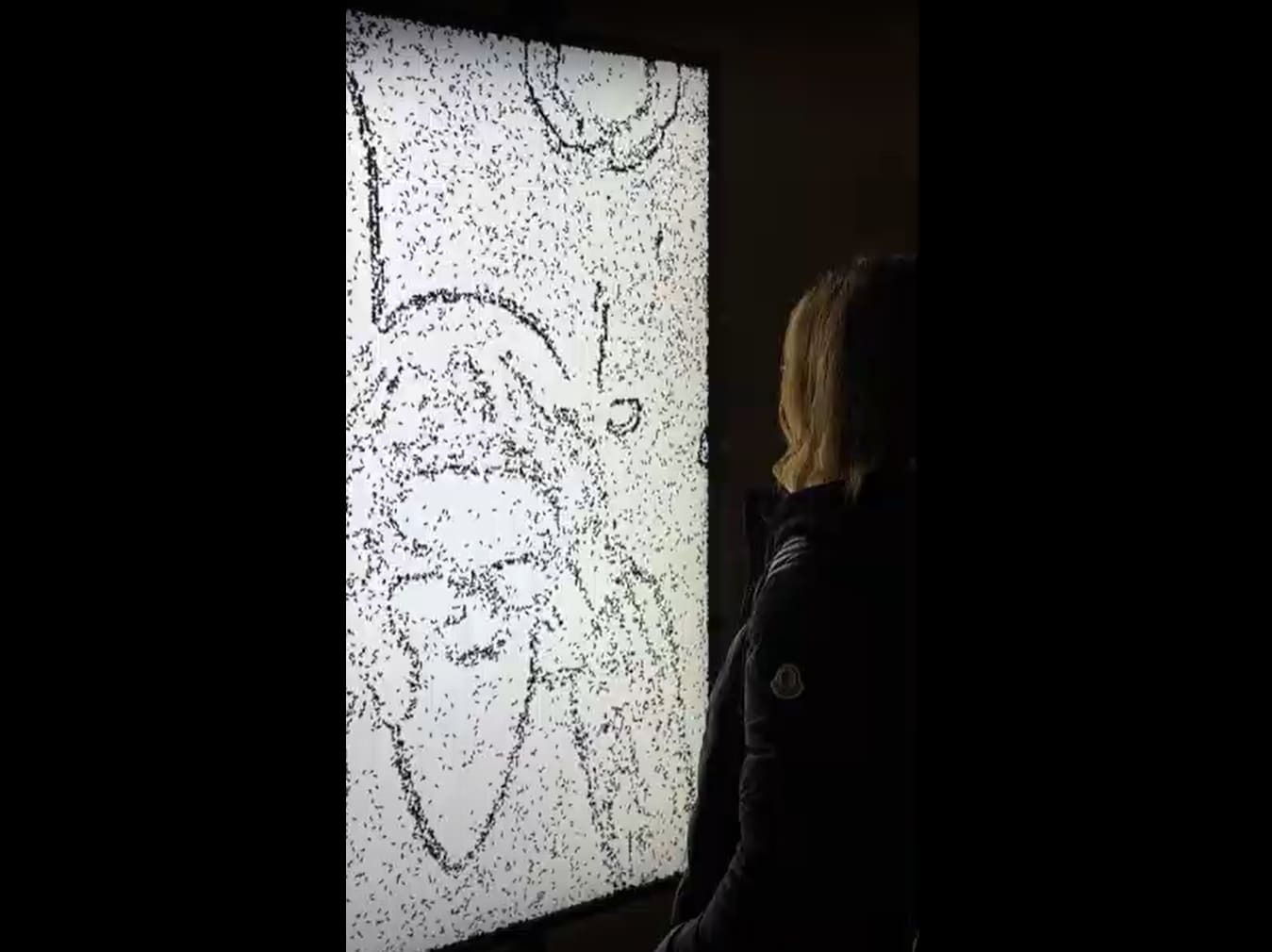
Hello World! inaugurates NEWART Centre as a living, active space. It is not just an exhibition, but a system in which rooms, laboratories, workshops and storage spaces are connected and activated through the presence and interaction of visitors.
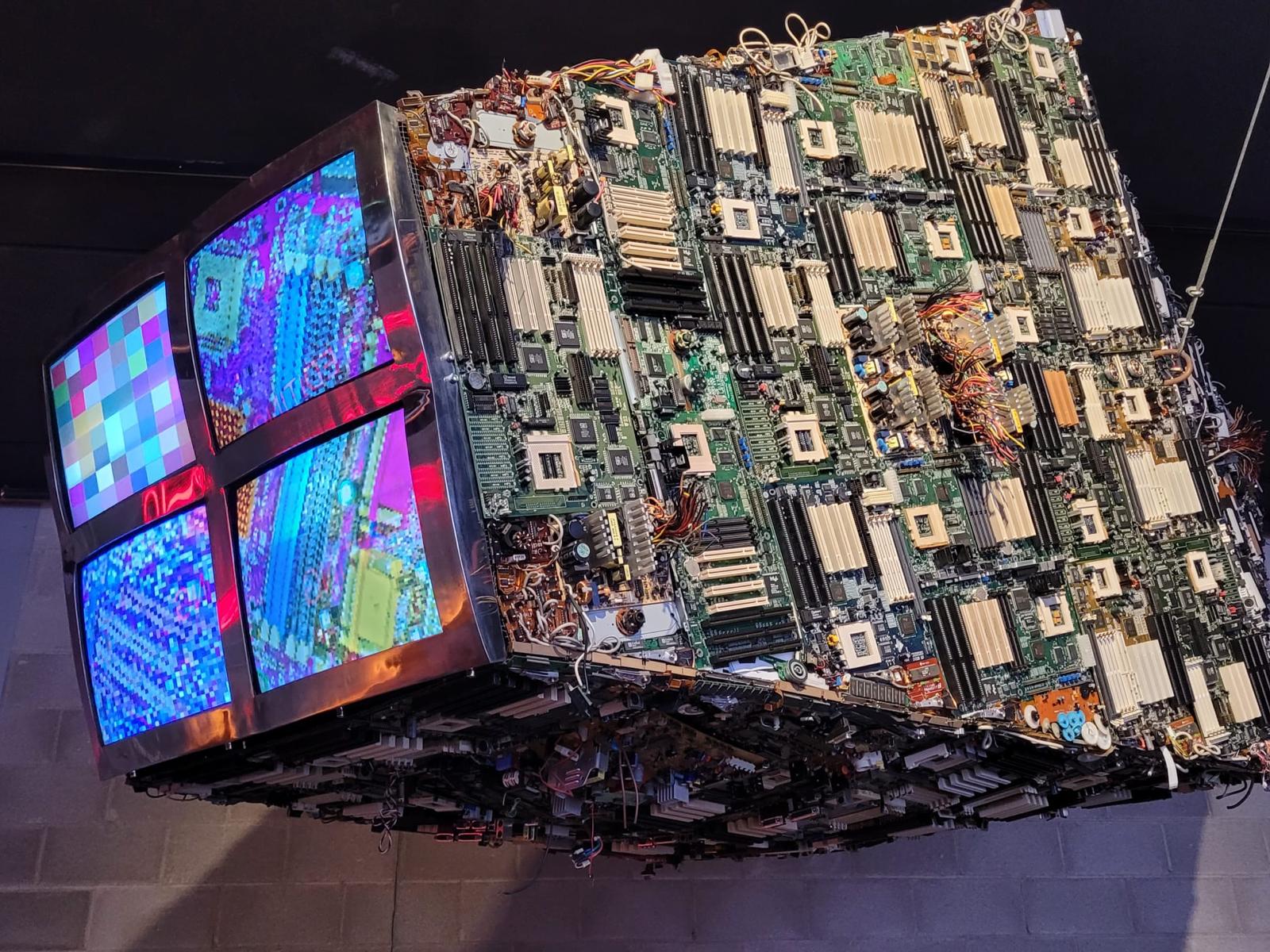
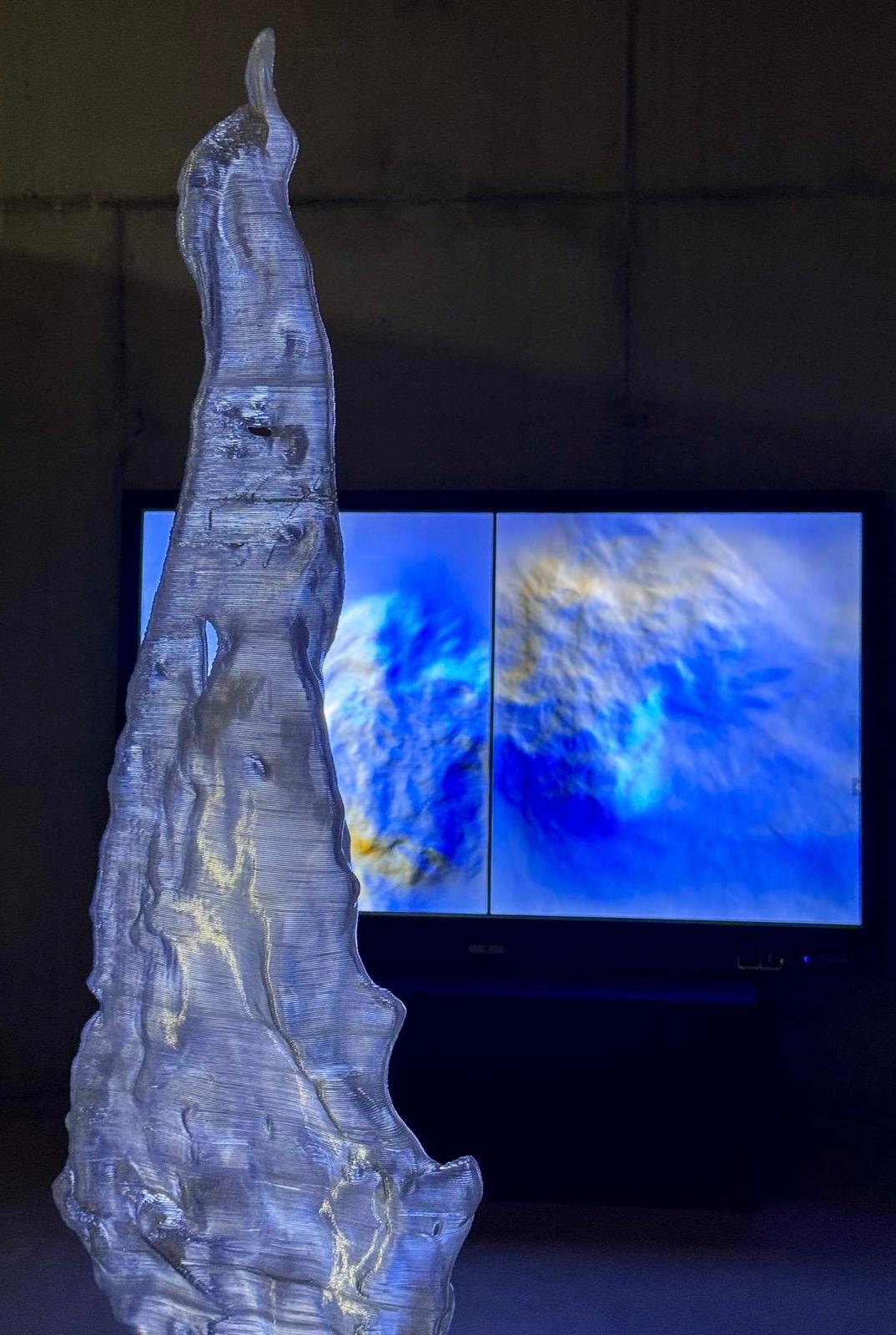
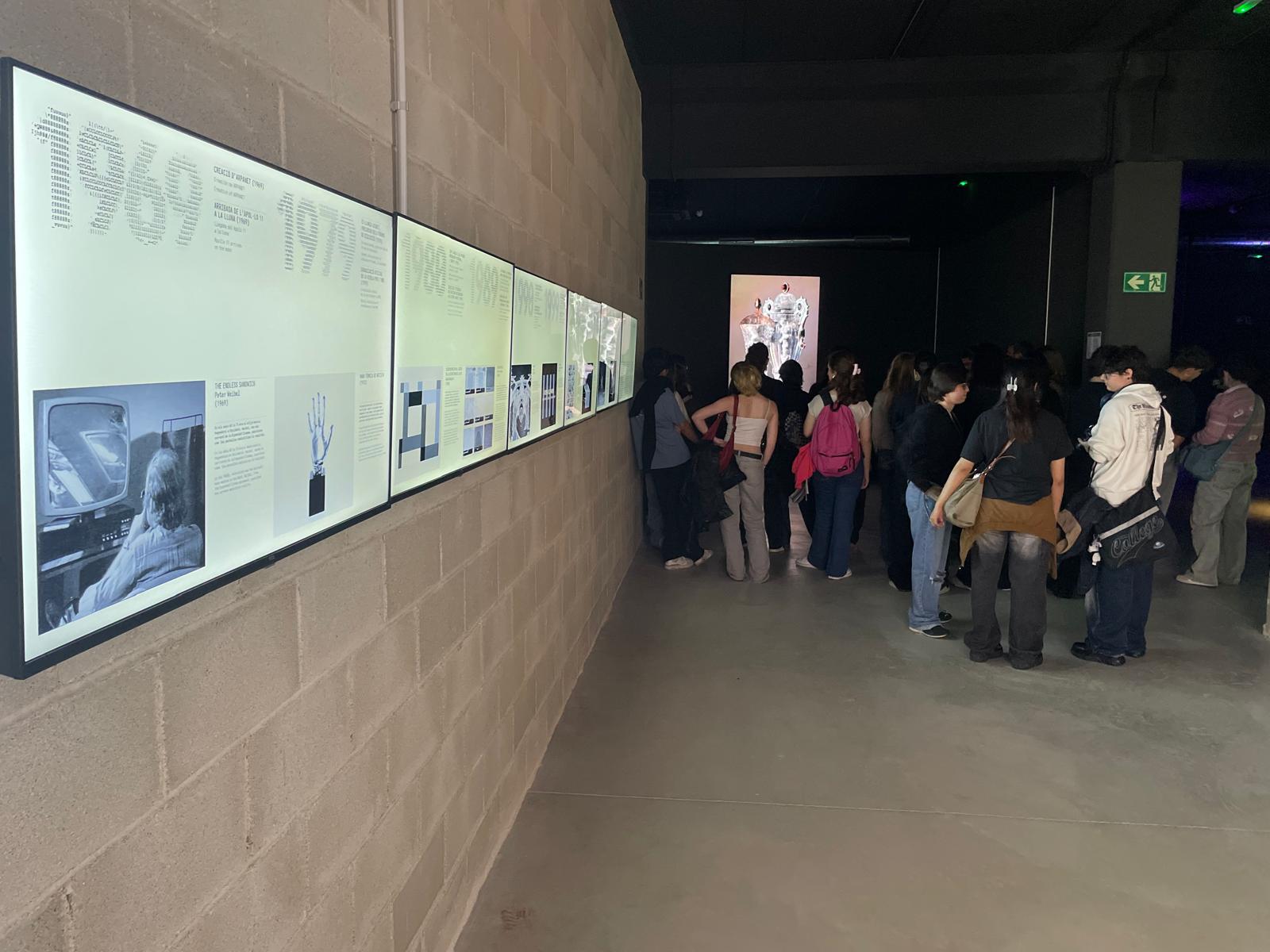
The exhibition begins with a selection of 27 works spanning more than 60 years of technological art, but it goes much further: it also includes the pieces that are preserved, restored or will be produced at the centre. For this reason, it is an exhibition in constant evolution.
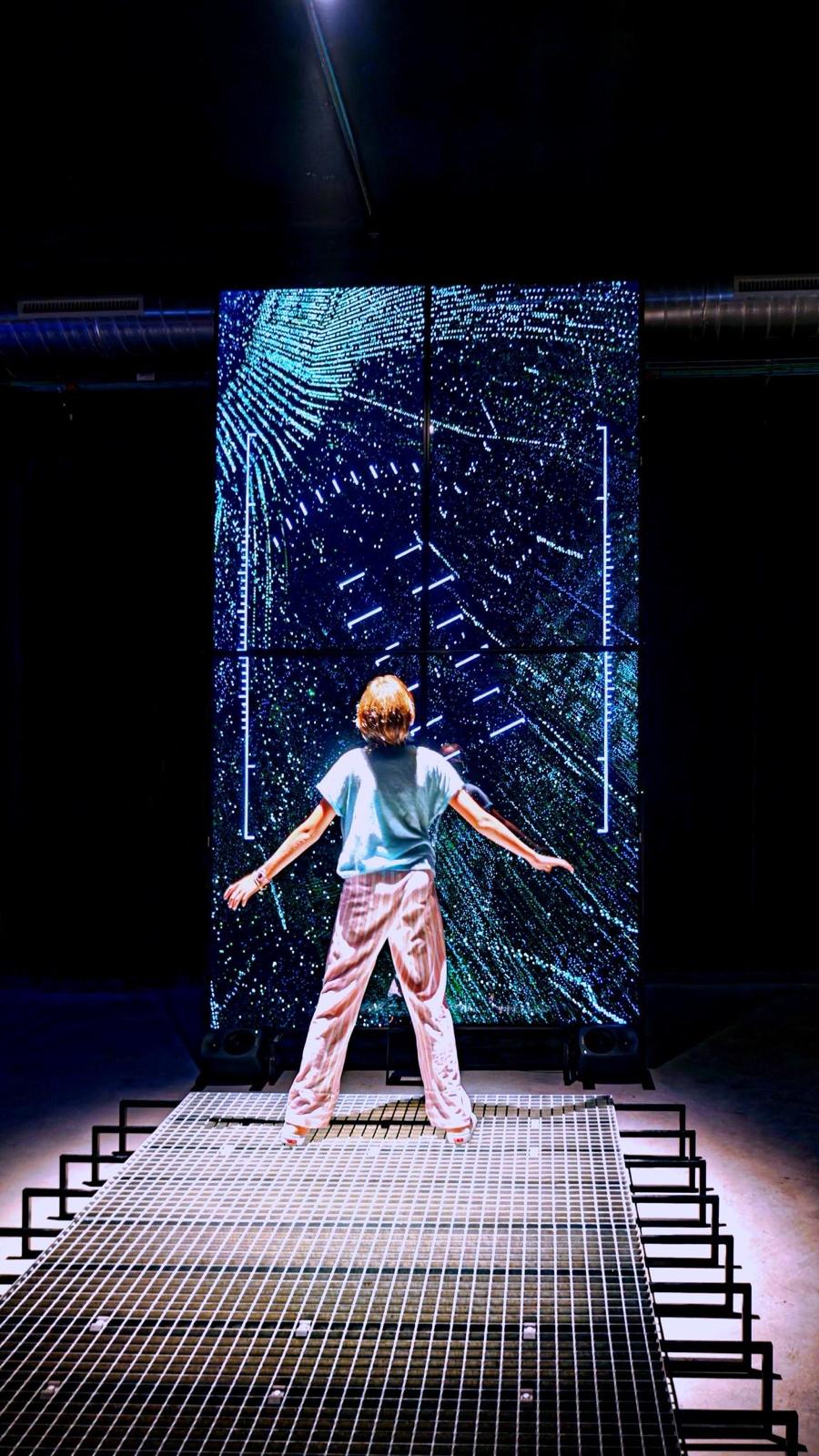
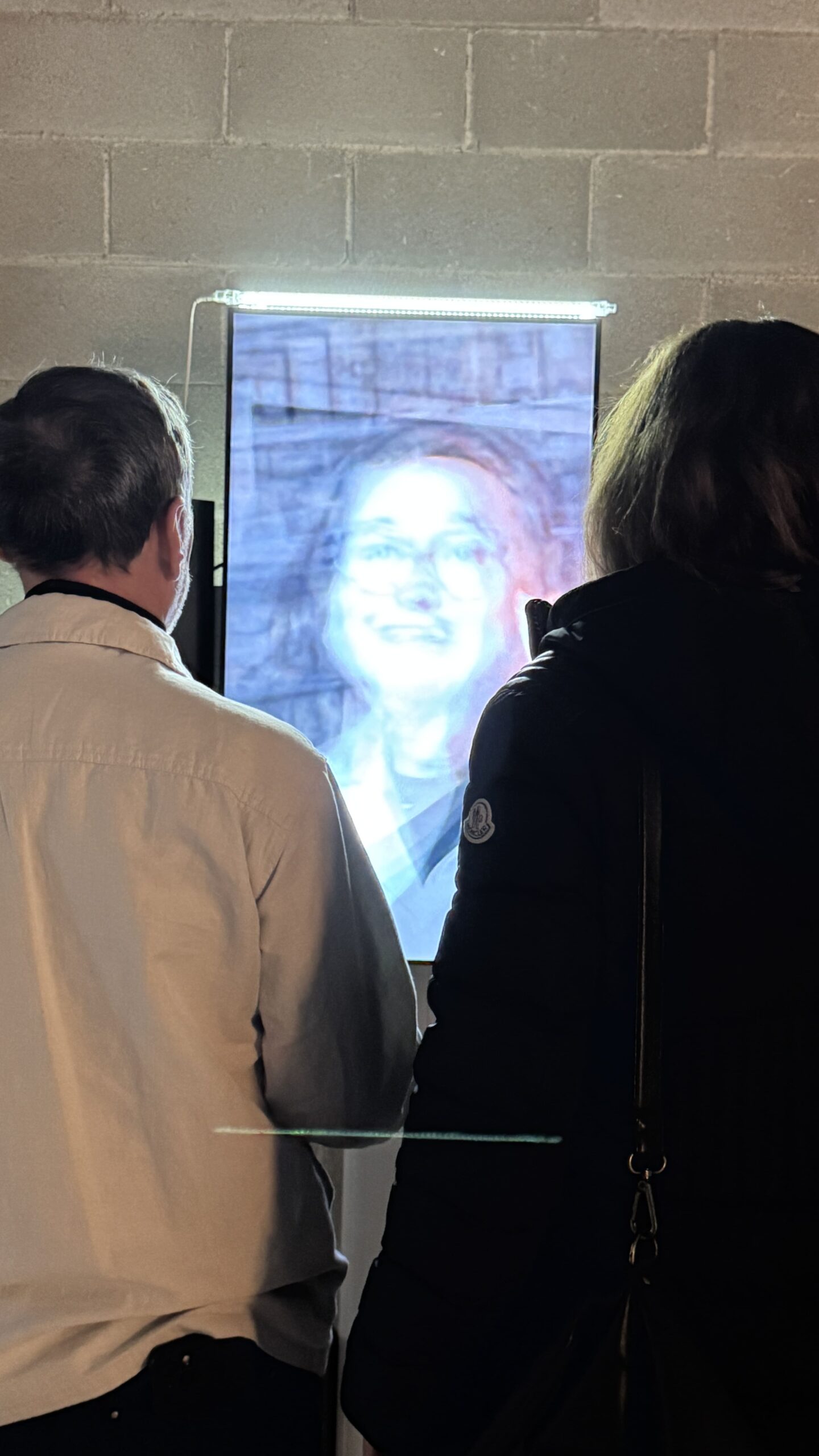
Here, art is not presented as something static. The working spaces are part of the experience, and the works can change, be updated or be reconfigured. The visitor does not simply observe, but becomes part of the system: their presence influences what happens.
Hello World! proposes understanding technology not only as a tool, but as a way of seeing and relating to the world. The works connect art, science and society, inviting audiences to explore new forms of perception and interaction.
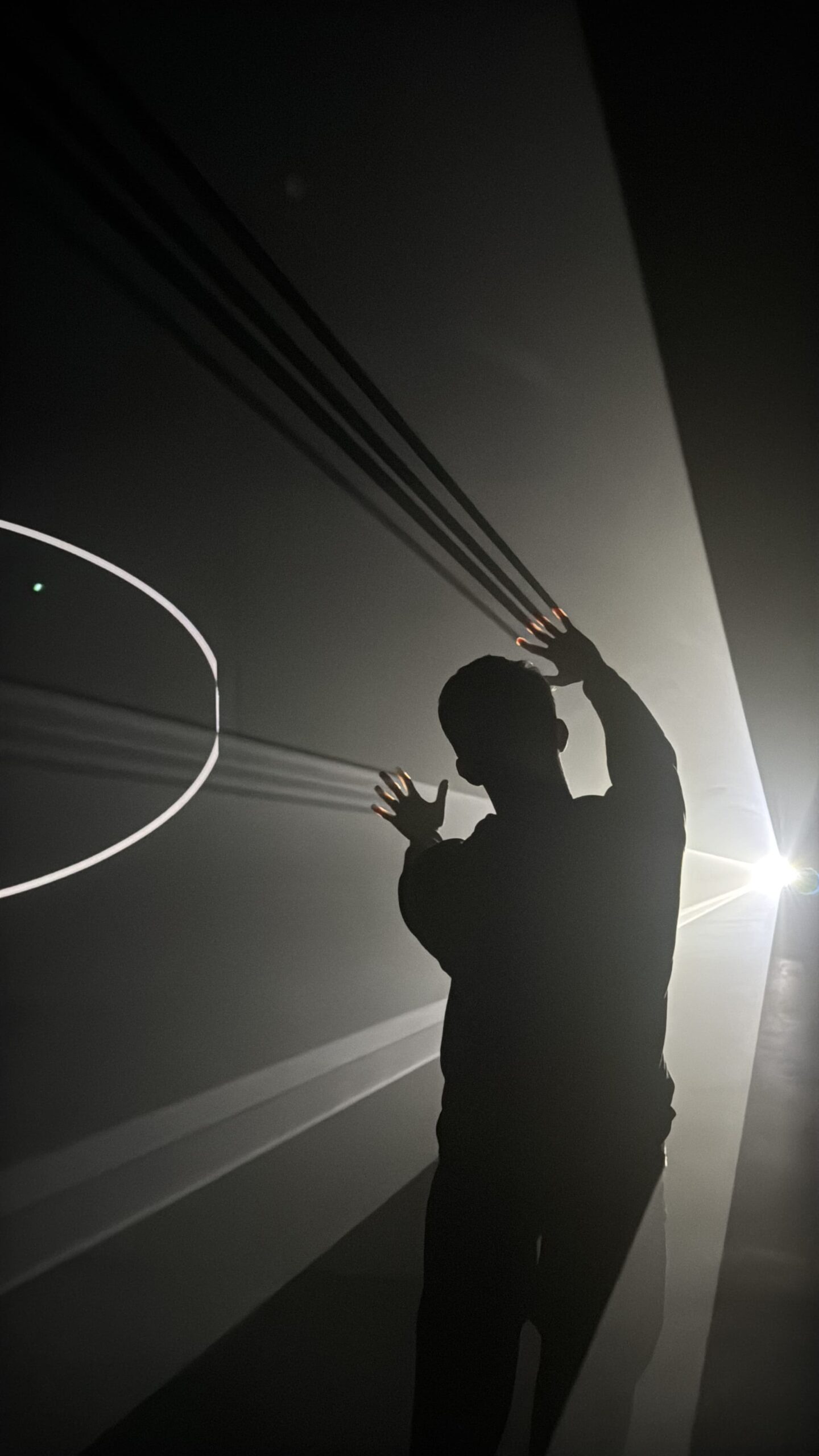
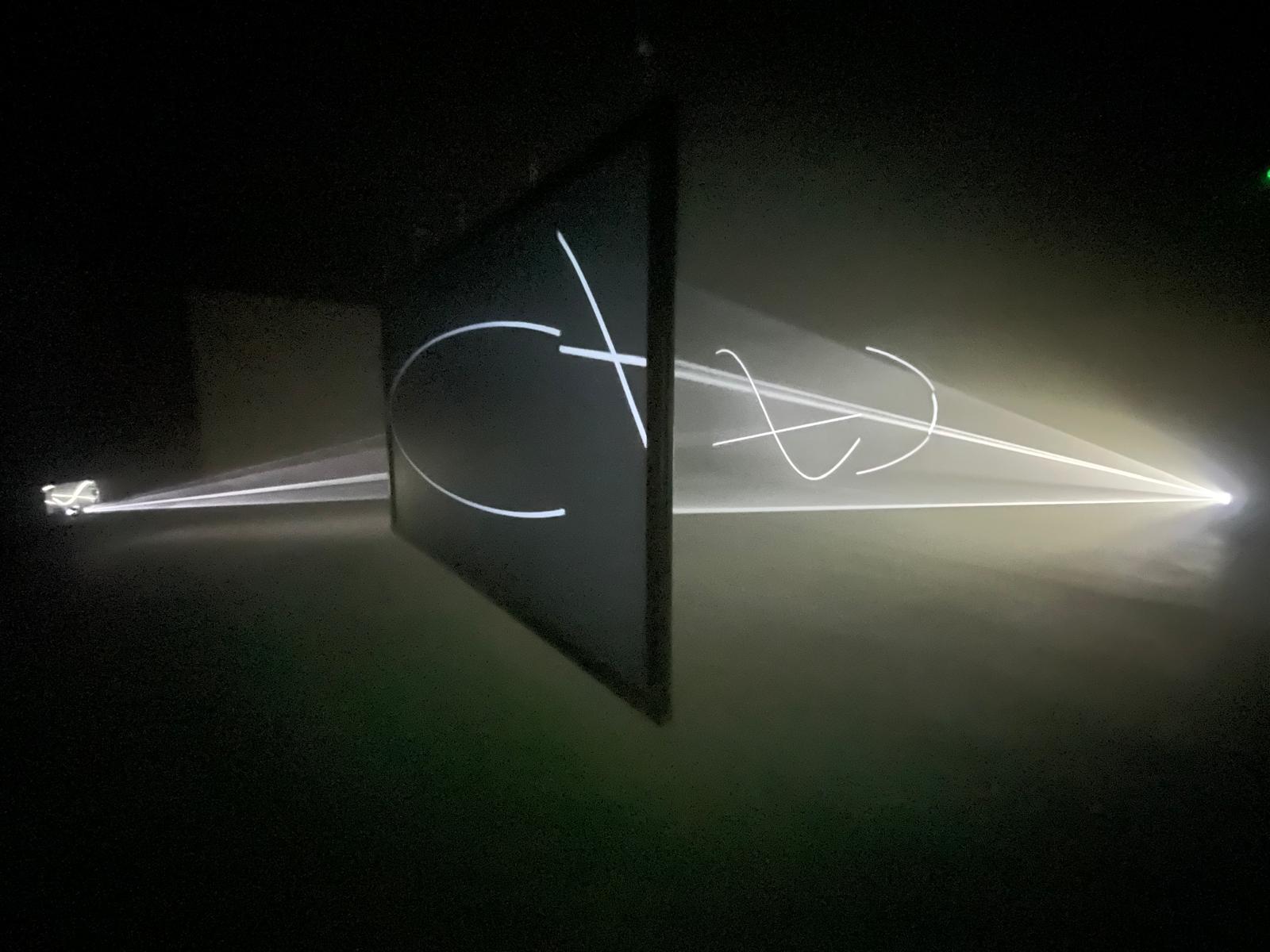
With artists such as Peter Weibel, Eduardo Kac and Anthony McCall, among others, the exhibition creates a network of experiences that constantly transforms.
Hello World! is, ultimately, a gateway to a centre defined by change, connection and experimentation.
List of artists
Elena Asins, Waldo Balart, Albert Barqué-Duran & Marc Marzenit, Anna Carreras, Analivia Cordeiro, Alba G. Corral, Felicie d’Estienne d’Orves, Paul Friedlander, Dmitri Gelfand & Evelina Domnitch, Eduardo Kac, LIA, Luis Lugan, Ken Matsubara, Anthony McCall, Antoni Muntadas, noNames, Marnix de Nijs, Marina Núñez, Eusebio Sempere, Paul Thomas, Stefan Tiefengraber, Marie-France Veyrat, Santi Vilanova, Peter Weibel.
Guided visits and audio guides
Duration: approximately 90 minutes
Groups: up to 25 people
Languages: guided visits in Catalan and Spanish with one of our guides using radio guides; for other languages, an audio guide is available in English, French, German, Dutch and Italian.
Route: exhibition hall, production workshop, where you may see technicians or artists working on artworks, and a specialised storage area, with pieces tested cyclically to ensure their correct functioning.
Services: the centre has a wheelchair and portable chairs to make the visit accessible to everyone, as well as a rest area for snacks and refreshments.
Objective: an immersive, interactive, educational experience adapted to different audiences.
Free parking included with the ticket.
Booking is required before the visit.
Digital art in the current context
Digital art has established itself as one of the most relevant practices within contemporary art. According to the benchmark report Art Basel & UBS Survey of Global Collecting 2025, 51% of high-net-worth collectors have acquired at least one digital artwork, and this category already represents 14% of spending on fine art, ranking just behind painting and sculpture.
This growth is closely linked to a generational shift. Younger collectors — Generation Z and Millennials — have grown up in digital environments, with cultural references such as video games, social media and interactive experiences. For them, digital art is not an exception, but a natural form of expression and cultural consumption.
At the same time, the sector is gaining not only cultural relevance but also economic weight. Immersive installations, AI-based works and data-driven art are among the fields showing the greatest growth in fairs, institutions and commissioning programmes.
This evolution is also reflected institutionally. International museums are increasingly incorporating digital works into their collections, while specialised centres and festivals dedicated exclusively to technological art continue to consolidate the field. At the same time, major biennials and international institutions regularly integrate digital projects, showing how a once experimental practice has become fully embedded within the contemporary art system.
What is technological art?
Technological art is an artistic practice that uses science and technology as tools for creation and reflection. It includes disciplines such as digital art, interactive installations, artificial intelligence, virtual reality and robotics, among others.
Beyond its innovative component, this kind of art explores how technologies transform the way we live, communicate and understand the world. It often invites audiences to interact with the works, turning them into an active part of the experience.
In this sense, technological art stands at the intersection of art, science and society, becoming a key tool for interpreting the challenges and opportunities of the present and the future.
Why is NEWART Centre so unique?
In the field of technological art, most institutions such as the ZKM Center for Art and Media, Ars Electronica or V2_ Lab for the Unstable Media are publicly owned, as this type of art requires major resources and infrastructure. In this context, the fact that NEWART Centre emerges from a family initiative is an exceptional case in Europe and reflects a pioneering vision and a strong cultural commitment.
The centre also stands out for going beyond exhibition-making: it integrates conservation and production spaces that highlight technological art as a living process. This combination offers a unique experience and makes more than twenty years of knowledge and expertise available to society.
Why locate NEWART Centre in Reus?
The location of NEWART Centre in Reus is no coincidence. The city has a strong cultural tradition, recognised creative vitality and an innovative environment that place it at a moment of growth and projection.
This project is also made possible thanks to the support of many people and institutions. We would especially like to thank the patrons, collaborators and public entities for their trust; the trustees of NEWART Foundation for their vision and commitment over the years; and the media for their work in spreading the word.
Thanks to all of them, the centre is now a living reality serving culture and society.